Kernnel Corn and Baby Lima Beans Mixed Together Is Called

To come up to harvest quickly corn requires warm temperatures, rich soil, and even, regular watering. Corn is wind-pollinated and so planting in blocks or multiple rows to ensure pollination is important.
Here is a troubleshooting list of possible corn growing problems with control and cure suggestions: (Read to the bottom of this post for corn growing success tips.)
Corn Problems and Solutions:
• Corn does non emerge. Soil may be cold or damp. Plant later when the soil and temperatures are warmer; make sure soil is well-draining by calculation anile compost and organic matter to soil.
• Insides of seed and young plants are eaten. Corn wireworm or the seed corn maggot is eating the seed. The corn wireworm is the larvae of the click protrude; the click protrude is reddish brown or blackness to ¾ inches long. Wireworms are brownish or yellow and leathery to i½ inches long. The seed corn maggot is a yellowish-white legless maggot, the larvae of a fly. The maggot feeds on the inside of sprouting seed. Cultivate the planting bed in fall to betrayal larvae to birds. Spade the corn bed and allow information technology lie fallow every third season. To trap: utilise pieces of potato on a spike setting them 2 to iv inches into the soil; bank check the traps twice a week. Selection and destroy wireworms and maggots from the potato.
• Seedlings are cut off nigh the soil surface. Cutworms are grayness or dark-brown grubs that hide in the soil by day and feed at night. Handpick grubs from the soil at the base of plants. Remove weeds and proceed the garden gratis of plant debris. Place a iii-inch cardboard collars effectually the stems of seedlings and button the collars 1 inch into the soil.
• Seedlings are uprooted. Crows and birds will pull upward seedlings to feed on seed. Comprehend seedlings with bird block or row covers until they are established.
• Stalks fall over. European corn borers are grayish pinkish caterpillars with dark head (more below); they can tunnel through stalks and weaken them. Utilize Bacillus thuringiensis and garden cleanup to control borers. Too much nitrogen also tin can leave stalks lush and green simply weak. Test soil. Adapt fertilization. Avert using fertilizers too rich in nitrogen. Feed plants with aged compost.
• Stalks and leaves deformed, bent over, or may fail to unfurl; plants are stunted. Aphids are minor soft-bodied insects–light-green and gray–that cluster on undersides of leaves. Aphids exit behind a sticky excrement called honeydew; black sooty mold may grow on honeydew. Spray away aphids with a smash of water; employ insecticidal lather; aluminum mulch will disorient aphids. Aphid predators include lacewing flies, ladybugs, and praying mantis.
• Tiny shot holes in leaves. The corn flea beetle can riddle leaves with small holes and transmit Stewart's wilt, a bacterial affliction that leaves the constitute's vascular system clogged with slime; infected plants wilt, go stunted and die. Pick off beetles; cultivate the garden to disturb the insect life cycle. Spray with pyrethrum or rotenone.
• Big holes in leaves. Armyworm, corn earworm, diverse beetles, and grasshoppers consume corn leaves and leafage. Handpick insects and destroy or place them in soapy water. Loss of minor amount of leafage tissue will non reduce yields. Plant early corn varieties to avoid armyworms. Employ commercial traps with floral lures. Cultivate in the fall to expose larvae.
• Holes in leaves near whorls. European corn borer; larvae are light dark-brown to pinkish caterpillars with dark brown heads and dark spots on the body; adult moth is light brown with a ¾-inch wingspan. Larvae feed on corn whorls then diameter into stalks. They also feed on tassels and kernels. Handpick and destroy larvae. Utilise Bacillus thuringiensis. Remove and destroy all infested stalks at the terminate of the season.
• Leaf edges roll inwards. Soil moisture may exist inadequate. Corn makes rapid growth after ears course and begins to mature; this requires consistent moisture. H2o corn deeply, up to 2 or 3 hours at a time. When soil dries to a depth of four inches, water again. Place 2 to iii inches of organic mulch on planting bed to conserve wet.
• Leaves are mottled and streaked yellow and green; leaves yellow and dice along the margins; growth is slowed or stunted. Mosaic virus and maize dwarf mosaic virus has no cure. It is spread by beetles. Establish mosaic virus-resistant varieties. Destroy infected plants and continue weeds and grasses down that host aphids beetles. Do not handle healthy plants after infected i.
• Yellow striping on leaves. Stewart's wilt is a bacterial disease that results in the plant'south vascular organisation condign clogged with slime; infected plants will yellow, wilt, become stunted, and dice. Control flea beetles which spread the illness. Pick off beetles; cultivate the garden to disturb the insect life wheel. Spray with pyrethrum or rotenone.
Plant tolerant varieties.
• Leaves take purple margins starting with leaves at the lesser of the plant; plant may be stunted. Phosphorus deficiency. Perform a soil test; add bonemeal to the elevation of the planting bed at a rate of ii to three pounds per 100 foursquare feet. Utilize a commercial fertilizer rich in phosphorus 5-10-5 is skilful.
• Reddish-brown blisters on the top of leaves and stalks; leaves may turn yellow. Rust is caused by a fungus; rusty-colored spores grow on the found. Rust favors warm, humid weather. Plant rust-resistant varieties. Avoid overhead irrigation. Clip abroad infected leaves.
• Grayish or tan oval spots on leaves. Northern corn leaf blight and southern corn leaf blight are fungal diseases that favor wet conditions. Add aged compost or organic material to planting beds to go on soil well-drained. Avoid overhead irrigation. Keep garden clean of debris and weeds which tin harbor mucus spores. Institute resistant varieties.
• Leaves yellow as tassels form. Insufficient nitrogen. Side dress plants with aged compost. Water with compost tea or fish emulsion. Add aged compost to planting beds in advance of planting.
• Gray-white gnarled growths or galls on ears and leaves. Corn smut is a mucus disease. Remove and destroy galls every bit soon as constitute when they are still white. Practice not let black powdery spores from galls to autumn into soil. Constitute resistant varieties. Problem is more than common in late harvests.
• Ears merely partly filled, silks are chewed short or clipped off. Earwigs, Japanese beetles, and corn rootworm beetles feed on silks which prevents pollination or causes poor kernel evolution. Check ears daily for earwigs and beetles; handpick and destroy. Spray plants with hot pepper and garlic repellant. Place traps around the garden to collect pests. Proceed garden free of weeds and debris.
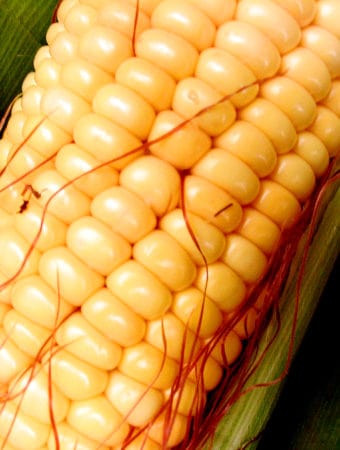
• Incomplete kernel development; ears partially filled with ripe kernels; shriveled kernels. Each private kernel must be pollinated; kernels that don't receive pollen will non fill up out. Pollen from male person tassels must achieve the female silks. Several possible causes: (i) Poor pollination tin can happen when non plenty plants are planted; establish at least 3 to 4 rows at least 8 anxiety long. (2) Hot weather or loftier winds during pollination. Pollen sheds two to 3 weeks before harvest. (3) Insufficient soil moisture; keep corn evenly moist specially from silking to harvest. (4) Inadequate fertilizer or soil fertility; add aged compost to planting beds. Bank check for potassium deficiency. Plant varieties adapted to your area. (five) Birds are eating kernels; put newspaper bags over ears subsequently pollination.
• Worms eat downwardly through kernels; ears look brown and eaten. Corn earworm is a brownish-headed caterpillar with lengthwise stripes to 2 inches long; the adult is a night-flight moth with chocolate-brown or olive wings and bright greenish eyes. The worm finds its way into the curl of the corn constitute to burrow down and swallow developing tassels. Apply xx drops of mineral oil just inside the ear tip three to 7 days later silks beginning appear. Suspension off the wormy end of ear and discard. Plant early on-maturing varieties to avert earworms; varieties such as 'Country Gentleman', 'Golden Security', and 'Silver Cantankerous Bantam' accept long, tight husks. Use commercial traps. Handpick caterpillars and destroy. Grit with Sevin.
• Stalks produce modest ears. Plants are spaced too close together; plant early varieties at least 8 inches apart; space later varieties 12 to 15 inches autonomously.
• Popped kernels, kernels look like popcorn. Seed coats will one-time pause at the weakest bespeak. No cure. Found another multifariousness.
• Kernels are pink and moldy; brown lesions on stalks almost joints; stalks rotten within. Fungi tin cause rots. Go on garden free of constitute droppings and weeds that can harbor fungus spores. Remove diseased plants. Make sure soil is well-drained; add anile compost to planting beds twice a year. Keep soil evenly moist just non wet.
Corn Growing Success Tips:
Planting. Grow corn in full lord's day. Corn requires moist, well-drained soil rich in organic matter. Prepare planting beds or planting mounds with plenty of aged compost. Additionally, sprinkle planting beds with nitrogen-rich cottonseed repast or soybean meal, about 3 pounds per 100 square anxiety. Plant corn in mounds or hills–sparse each hill to 3 plants–or in raised beds. Mounds and raised beds warm early on in the season and are well drained.
Block planting. Plant corn in blocks or short, multiple rows. Space plants about 15 inches apart with at least iv rows and at to the lowest degree four plants in each row. Cake planting will better pollination; corn drops pollen from its tassels down to the silks in the ears below. Planted in a cake, corn pollen that drifts on the breeze is more likely to find its way to an ear and silks below.
Found time. Sow corn in the garden after the last frost in bound; it is best to plant corn when the soil has warmed to at least 62°F. Succession plant corn every two weeks for a continuous harvest. Corn can be started indoors 3 to 4 weeks before planting out; start seed in biodegradable pots so that roots are not disturbed when transplanted.
Care. Corn requires fifty-fifty, regular watering. Utilise a soaker hose to keep corn moist, about two inches of water each week. Add one to 2 inches of mulch between stalks to conserve soil moisture. Side dress corn with aged compost or a balanced fertilizer i month after planting and again when the tassels form.
Harvest. Begin picking corn 3 weeks after the first silks announced. When silks brown and begin to dry the corn is ripe. Check the ears to see that they are filled to the tip with kernels. To farther test for ripeness, press a kernel with your fingernail, if the juice is milky white the ear is ripe.
More than tips: How to Grow Corn .
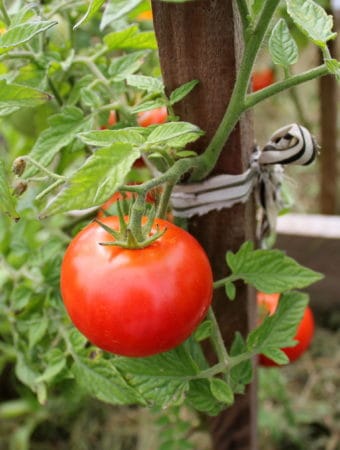
How To Grow Tomatoes
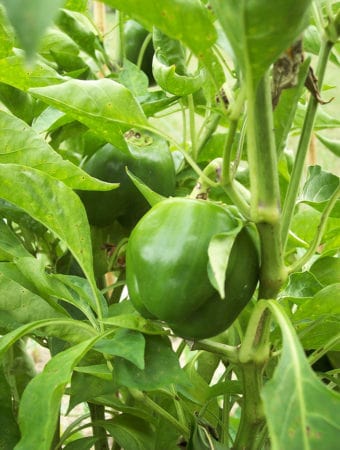
How To Grow Peppers
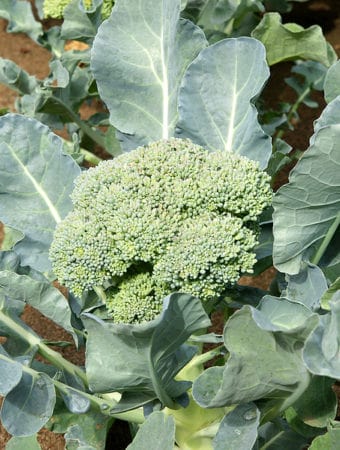
How To Grow Broccoli
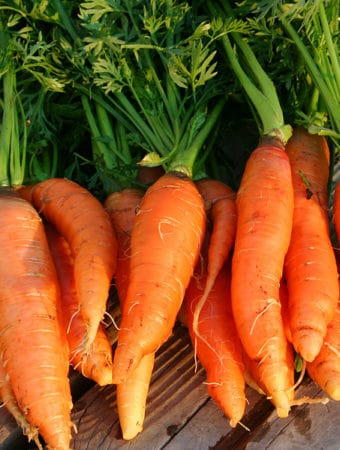
How To Abound Carrots
How To Grow Beans
How To Grow Corn
How To Abound Peas
How To Abound Lettuce
How To Grow Cucumbers
How To Abound Zucchini and Summer Squash
How To Grow Onions
How To Abound Potatoes
Source: https://harvesttotable.com/corn_growing_problems_troubles/

Post a Comment for "Kernnel Corn and Baby Lima Beans Mixed Together Is Called"